
Starting university is an exciting milestone, but for many students it’s also the first time living independently and sharing accommodation with others.
From our recent conversations, one thing is consistently clear: while some of the challenges of shared living may seem simple on the surface, they can have a real impact on wellbeing, comfort, and adjustment to university life. This is particularly true for students moving into halls for the first time, as well as those who may need additional support or a quieter environment to study and recharge.
That’s why universities are increasingly looking at practical, engaging ways to prepare students before they arrive — and our Safety Shaun video series is designed to do exactly that.
Originally developed for both on and off-campus living, including work with local authorities, the content is flexible by design. However, certain videos are particularly well suited to university halls welcome induction and pre-arrival communications.
🏡Preparing students for shared living
Shared Living
👉 https://www.safetyshaun.co.uk/fulllength#shared
This video is a strong introduction to communal living. It encourages students to think about others from day one and sets clear expectations around key areas such as noise, music, parties, and keeping shared spaces clean.
For many students, halls is their first experience of living with non-family members — and early expectation-setting can make a significant difference to how smoothly that transition goes.

🧠Supporting inclusion and understanding of additional needs
A key benefit of this content is how it supports both awareness and understanding around additional needs within shared living environments.
For students living in halls, the videos help raise awareness of how everyday behaviours — such as noise levels, cleanliness, and shared responsibilities — can impact others. This encourages a more considerate and inclusive living environment where students are more mindful of differences in needs, routines, and personal circumstances.
At the same time, the content also helps students with additional needs better understand what to expect in shared accommodation, including:
- How communal spaces are typically used
- What shared living responsibilities look like in practice
- How to navigate everyday situations like noise, cleaning, and boundaries
This dual perspective helps create a more supportive environment overall — where students are both better informed about others and more confident in managing their own experience of university life.
🧼Building confidence in everyday independence
Hygiene
👉 https://www.safetyshaun.co.uk/fulllength#hygiene
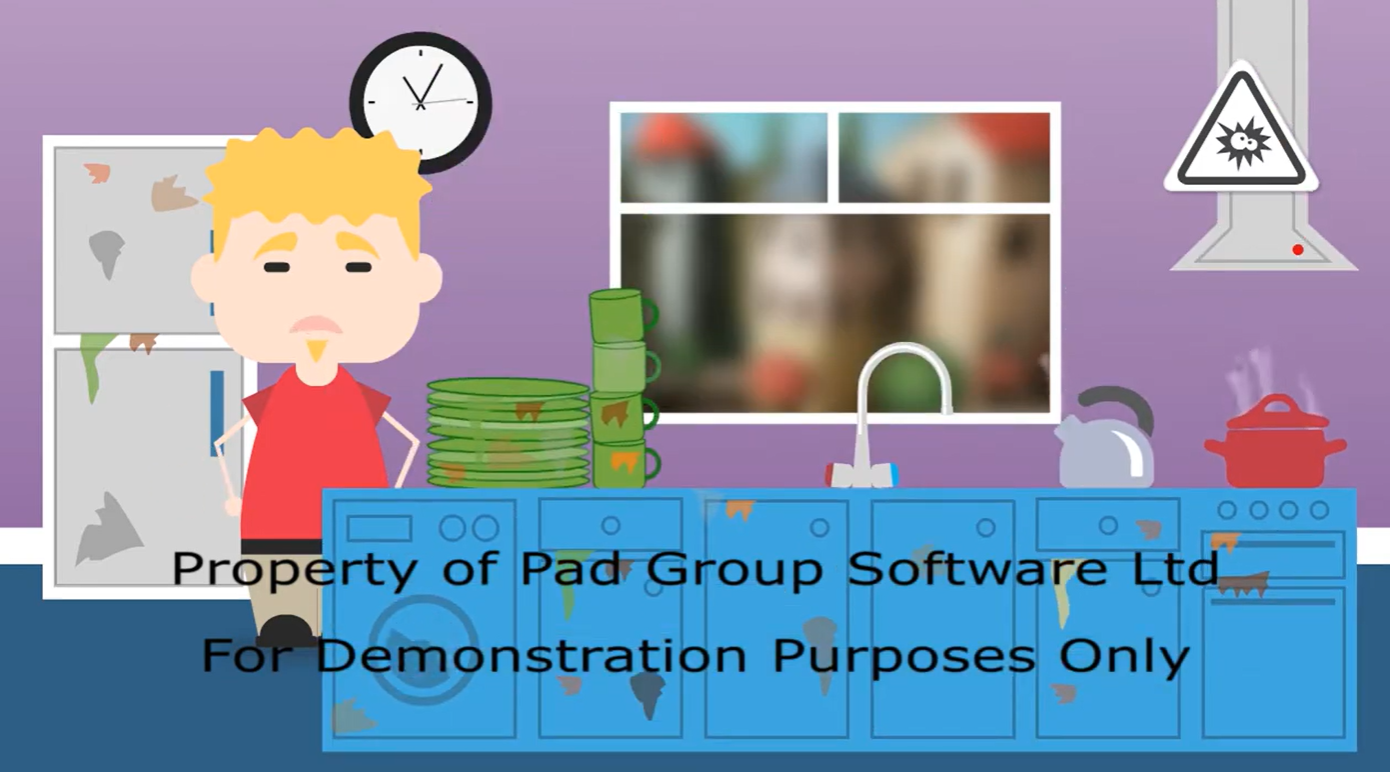
This video covers essential life skills that many students are learning for the first time, including kitchen hygiene, safe food preparation, and bathroom cleanliness.
Simple reminders such as cleaning surfaces before cooking, using separate cloths for bathrooms, and storing fresh meat safely in the fridge can make a big difference in helping students feel confident and independent in their new environment.
For many, this is the first time living away from home, so practical guidance like this is especially valuable.
⚠️Everyday safety in halls
Trips and Falls
👉 https://www.safetyshaun.co.uk/fulllength#trips
Small hazards can easily be overlooked in busy shared spaces. This video highlights the importance of keeping walkways clear, cleaning up spills, and being mindful of cables and obstacles.
While the full Safety Shaun series aligns with HHSRS housing standards, this shorter section (around 40 seconds) is particularly effective for general student accommodation and halls environments where quick, accessible messaging works best.
🌡️Supporting comfort and wellbeing in shared spaces
Cold
👉 https://www.safetyshaun.co.uk/fulllength#cold
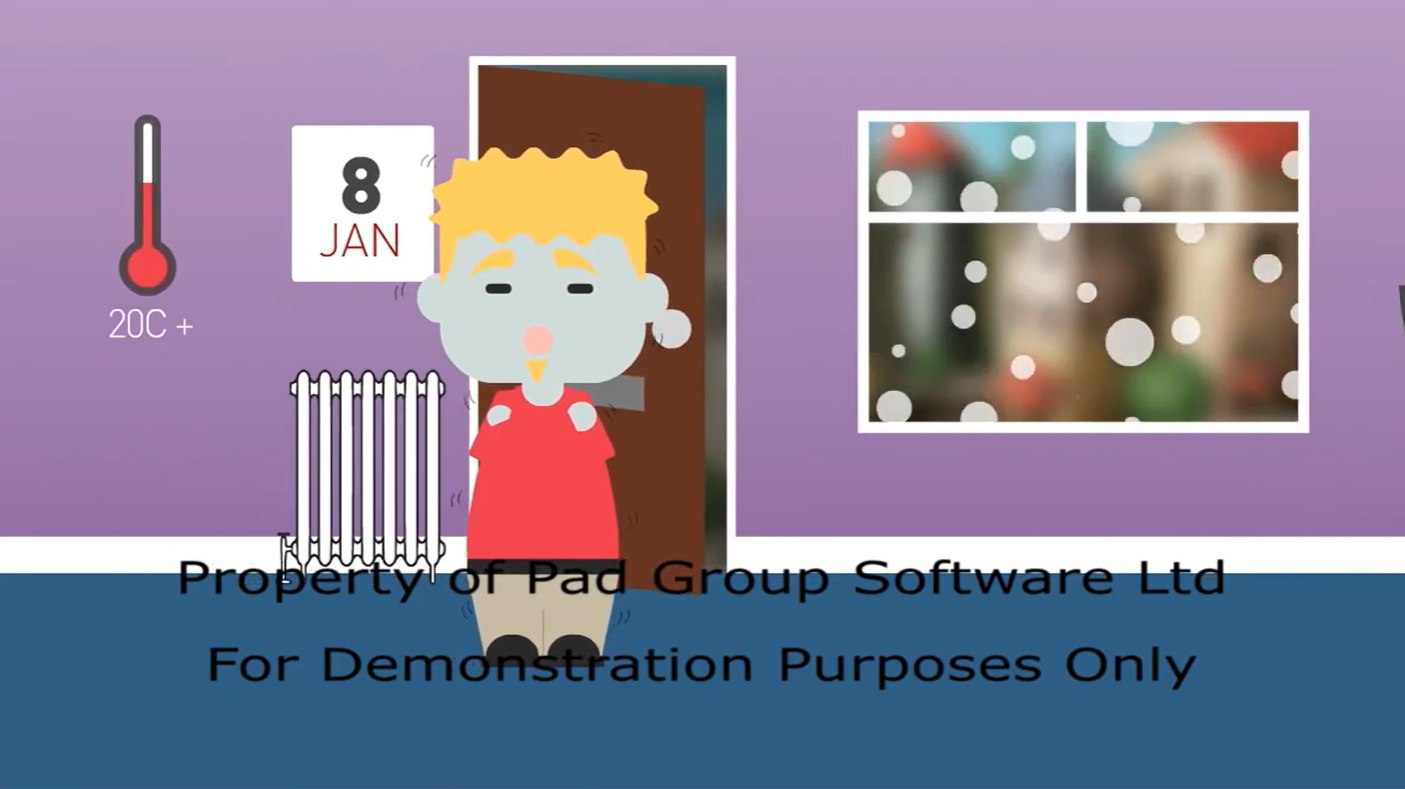
This video helps students understand simple, practical ways to stay warm and manage their living environment effectively such as keeping doors and windows closed and being mindful of heat loss.
These everyday habits can make a real difference in comfort, wellbeing, and energy awareness during their time in halls.
🔥 Two essential additions for halls environments
Alongside the core videos above, two additional modules are particularly relevant for university accommodation:
Fire Safety
A vital introduction to fire prevention, safe behaviours in shared accommodation, and emergency procedures. This is a key component of any halls induction and supports both student safety and institutional compliance. Additonally, in halls Vaping restrictions can be added as text.
Damp & Ventilation
This video helps students understand how everyday behaviours such as ventilation, drying clothes safely, and managing moisture can prevent damp and condensation issues. These are common challenges in high-occupancy shared housing and can often be avoided with simple guidance.
🎯 Why this works for university induction
These videos are designed to support universities in delivering consistent, accessible, and engaging pre-arrival information.
They help to:
- Set expectations before students arrive on campus
- Support smoother adjustment to independent living
- Reinforce wellbeing and safety in shared accommodation
- Encourage inclusive and considerate behaviour in halls
- Support students with additional needs through clearer expectations and understanding
- Reduce avoidable issues in halls through early education
- Provide scalable, easy-to-deliver induction content
Importantly, they also help students feel more prepared and confident particularly those experiencing university life for the first time or navigating additional support needs.
🤝Bringing it together
Induction is more than information it’s preparation for real life.
By introducing practical, relatable content early, universities can play a key role in helping students settle into halls more successfully and confidently from day one.
If you’d like to explore how Safety Shaun content can be tailored or integrated into your induction process, we’d be happy to support that conversation.

Post by Laura Walker (Marketing and Research Manager)


